A well pruning lower looks sensible from the floor. A soft collar, no ragged bark, the branch long gone. The big difference among that and a scar that invitations decay routinely comes down to a few inches and just a few seconds of judgment. I even have stood in yards wherein a tree’s format tells a story of rushed cuts, crowned leaders, and water sprouts erupting like whiskers. I even have also watched a effectively-pruned maple shoulder a past due‑spring snow devoid of dropping a limb. Pruning is both craft and biology. If you do it with a plan and a secure hand, your timber will pay off you with a long time of colour, balance, and fresh lines.
What pruning truely does to a tree
When you chop, you wound residing tissue. Trees do now not heal like animals. They compartmentalize, sealing off damage by using a enlargement approach arborists name CODIT, short for compartmentalization of degradation in timber. The cambium generates callus tissue that rolls over a accurate lower made just backyard the department collar, the swollen subject at the bottom of a limb. If you cut flush to the trunk and cast off that collar, you tear as a result of defensive tissues and the tree struggles to close the wound. If you go away a stub, the dead wooden turns into a wick for moisture and fungi, and the tree won't seal over it.
Pruning also shifts how a tree allocates strength. Remove an excessive amount of cover without delay and the basis method loses the sugar give it expects. The tree panics, throwing out water sprouts and suckers, which might be weakly hooked up and likely to failure. Balance things. Most panorama trees tolerate removing of up to ten to 20 p.c of the stay cover in a unmarried season, much less for under pressure timber or people who have these days faced drought, pests, or building destroy. When doubtful, prune incrementally over a couple of years.
Timing by species and goal
The most sensible time to prune is dependent on species, local weather, and your targets. In established, past due iciness by means of early spring, prior to bud smash, is a forgiving window. Trees are dormant, affliction stress is minimize, and new boom can compartmentalize the wound as the becoming season starts. For maples and birches, anticipate sap bleed if you happen to prune properly earlier spring. It seems to be dramatic, however it's far in the main beauty and not harmful. If you would like to keep away from messy patios, objective mid to late summer time, after leaves harden.
Flowering trees upload a different wrinkle. If a plant blooms on old wood, like many cherries, crabapples, and lilacs, prune appropriate after flowering so that you do now not take away next year’s buds. If it blooms on new wood, as with some hydrangeas and crape myrtles, overdue winter pruning can motivate a tidy flush.
Avoid pruning for the duration of extremes. A heatwave can flip a average canopy reduction into a pressure journey. A deep freeze can make picket brittle and enrich the opportunity of tearing bark. Also think of disease vectors. In areas where alrightwilt is a concern, pass pruning o.k. from spring into mid-summer when beetles that convey the pathogen are lively. I actually have worked in neighborhoods where a unmarried poorly timed lower presented wilt that took out a row of mature purple very well inside of two years. The prevention became without a doubt anticipating winter.
Safety first, even for “small” jobs
Most accidents turn up on “only a immediate trim.” I actually have noticeable homeowners slip from a step ladder with one hand on a observed and one foot on a department. The department moved, the ladder did now not, and the saw stayed sharp. Before you decide upon up a tool, transparent the work side of kids, pets, and patio furniture. Wear defense glasses, gloves, and listening to preservation in case you plan to take advantage of energy methods. Use a sturdy platform. A acceptable orchard ladder or a small mobile scaffold seems like overkill except you want to lean an inch farther than your middle of gravity helps.
Electric traces deserve exclusive point out. If a branch is within a few feet of a carrier drop or essential line, do not contact it. Utility pruning requires targeted guidance and insulated equipment. I actually have watched electricians and arborists argue over what's “protected adequate” close to lines. The only riskless rule for householders is to continue to be away and call the utility or a certified contractor.
Lastly, comprehend your limits with chainsaws. Even small saws chill. If you are not cosy sprucing, tensioning, and competently establishing a noticed at the ground with a enterprise stance, stick handy resources or appoint assistance. Rope, rigging, and controlled drops are a whole potential set in their personal. Without lessons, gravity will win.
Understanding tree structure from the ground up
Before you chop, step lower back and examine the tree. You are in search of the leader, scaffold branches, branch angles, and load paths. A solid chief rises by way of the core, with scaffold branches radiating at wide angles, roughly forty five to 60 ranges. Narrow V crotches with incorporated bark create a seam that could cut up less than snow or wind. Codominant stems of comparable measurement that rise collectively devoid of a transparent leader are a pink flag. They may https://erickorci113.yousher.com/tree-pruning-vs-tree-trimming-what-s-the-difference-and-why-it-matters well be controlled with reduction cuts and cabling, yet you could treat them with respect.
Pay interest to taper. Healthy branches slender as they lengthen. If you notice a extensive, heavy limb with little taper stretching over a driveway or roof, observe it as a candidate for aid, not removal, to lighten the cease weight. Look for crossings or rubbing limbs. They create wounds that invite decay. Scan for deadwood. Dead limbs are brittle and primarily fail without warning, specifically after storms. Hollow sounds while tapped, fungal conks at the base, or a cluster of superb roots at the trunk can imply decay. If you think inner rot, bring in an arborist who can probe with a sounding hammer or resistograph. I once declined a shopper’s request to thin a proud silver maple after a straight forward hammer faucet echoed like a drum. The tree had progressed decay in the trunk that pruning may not restore. Removal turned into the in charge call.
Types of pruning and when to exploit them
Every minimize may still have a rationale. These are the commonplace objectives and the way I procedure them.
Cleaning removes lifeless, diseased, or broken branches. It is the least debatable work and customarily the top go back. A blank canopy sheds wind and reduces menace. The key is careful elimination at the branch collar, with out tearing bark. For larger limbs, use the three-minimize technique: undercut a foot or so from the trunk to steer clear of a tear, make a best reduce beyond the undercut to eliminate the weight, then conclude the last minimize just outside the collar.
Thinning selectively gets rid of are living branches to build up pale penetration and airflow. It should now not trade the tree’s define dramatically. Over-thinning creates a lion’s tail, in which foliage continues to be in simple terms on the guidance. That invites sway and breakage. In so much color bushes, I minimize thinning to small secondary or tertiary branches and objective for uniform spacing, keeping off substantial structural cuts until correcting defects.
Reduction shortens a limb or the entire cover to diminish load or transparent pursuits. It is greater nuanced. A genuine relief cut brings the department returned to a lateral which is in any case one 0.33 the diameter of the limb being got rid of. That lateral can anticipate the terminal function. If you chop among nodes, leaving a stub, the tree will respond with sprouts. Reduction is my instrument of desire for limbs extending over a roof. Taking eight to 12 feet off the quit across a two or three inch diameter lateral can lessen the menace seriously devoid of butchering the canopy.
Restoration addresses old poor cuts, hurricane spoil, or topping. It unfolds over years. You choose countless sprouts that have formed near every one torn or topped part and prefer people with proper attachment and spacing. As they gain strength, you steadily remove competing sprouts. In a topped tree, I pick one or two powerful leaders and subordinate the relaxation, returning each and every 12 months or two to keep shaping. It seriously isn't highly at the start, but I actually have introduced butchered elms lower back to a plausible architecture over 5 to seven years.
Structural pruning subjects maximum in young bushes. Saplings forgive early preparation that mature bushes will not. I look for a unmarried dominant leader, get rid of or subordinate competing codominants with discount cuts, and make a selection scaffold branches with respectable spacing in vertical and radial planes. Think in thirds. Avoid stacking scaffolds immediately above every single different. Correct tight crotches early. A few cuts on a two inch limb now can keep away from the removal of a ten inch limb later.
Vista pruning is a area of expertise case. Opening a view because of a display of trees devoid of destroying the display screen calls for restraint. I examine the view from the angles that count, ordinarily a patio or residing room window, and dispose of or curb a handful of strategic branches. Sometimes a shift in standpoint, like relocating a bench five ft, saves a tree more than a saw will. It allows to stroll with the homeowner and mark sightlines with tape sooner than chopping.
The mechanics of a ideal cut
Stand wherein that you can see the department bark ridge and the branch collar. The ridge is a raised strip of bark within the crotch of the department and the guardian stem. The collar flares underneath the department. Your very last minimize ought to get started just out of doors the bark ridge and perspective a bit faraway from the trunk, cleanly severing without reducing into the collar.
For a heavy limb, the 3-minimize system saves bark. First, make a shallow undercut an inch or two deep about 12 to 18 inches clear of the collar. Second, move two to three inches farther out and cut from the prime until the department drops. The undercut stops a strip from tearing down the trunk. Finally, with the weight gone, make the ending reduce simply outside the collar. Use a sharp observed. Dull enamel strength and chatter. On ragged bark, a quickly scoring cross with a knife alongside the reduce line can ward off a peel.
On small branches, hand pruners or a pass lopper supply refreshing consequences. Position the sharp blade toward the mum or dad stem and the anvil aspect at the department you discard. That assists in keeping force at the scrap area and avoids crushing the retained tissue. I save a small bottle of isopropyl alcohol to wipe blades when relocating among timber, extraordinarily if I suspect bacterial or fungal things. Tool sanitation is low priced insurance coverage.
How an awful lot is just too much
There isn't any single range that suits each and every predicament. I use degrees and accept as true with the tree’s energy. A natural, general coloration tree can address removal of 10 to fifteen p.c of are living foliage in one bypass. Young, energetic trees tolerate somewhat greater. Stressed trees, newly transplanted bushes, and very well in midsummer have to see much less. If a tree has just lost limbs in a storm, face up to the urge to “steadiness” the canopy via elimination an identical amount on any other facet. The tree has already misplaced power reserves. Focus on refreshing cuts and damaged stubs, then think again next season.
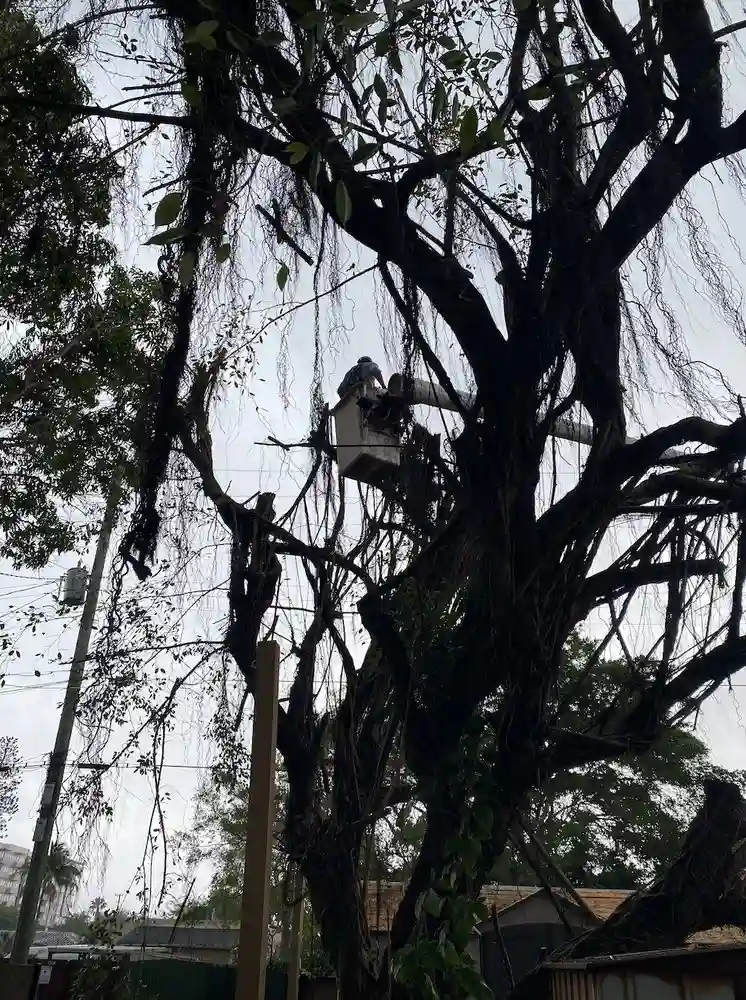
Never prime a tree to control peak. Topping creates a large number of sprouts attached like tent pegs in bark, no longer anchored deep in wooden. The new development is instant, weak, and worse than the height you tried to control. If a tree has outgrown its area, ponder aid to robust laterals, or accept that elimination and replanting with a species that suits the site shall be less high-priced and safer over the years. I have given this recommendation to dozens of property owners with topped honey locusts and silver maples, and the lengthy-time period delight normally came from establishing over with a thoughtful plan.
Tools that make the paintings better
You do now not desire a truck complete of apparatus to prune nicely. A sharp, curved hand noticed handles most branches as much as 5 or six inches. Quality bypass pruners and a pair of loppers duvet twigs and small limbs. A pole pruner with a refreshing bypass head can enlarge your reach correctly from the ground. If you use a pole noticed, be mindful of the place the cut will drop. Everything falling from 15 ft feels heavier than you be expecting.
Maintain your equipment. Wipe sap with mineral spirits, contact up edges with a great dossier or diamond stone, and tighten pivot bolts so blades meet cleanly. Dull pruners crush cambium and open ragged wounds. A $10 sharpening kit can retailer a $300 name to fix the effects of torn bark.
If you assignment into chainsaw territory, buy chaps and wear them. Keep the chain sharp, set properly rigidity, and use bar oil. A turn of the saw to check chain brake position prior to every single lower ought to changed into addiction. Respect kickback zones and in no way reduce above shoulder height. When the minimize is overhead, quit and re-examine your plan.
Common error and tips to forestall them
Stub cuts go away inches of dead timber. The tree cannot seal over them, so that they rot and act as entry points for pests. Train your eye to to find the collar and reduce just backyard it. If doubtful, step back and uncover examples at the same tree in which a branch fell certainly and the collar is evident.
Flush cuts do away with the collar fullyyt. They appear tidy the day you're making them after which linger as gradual-cure scars. The callus rolls take a lot longer, and in some species not ever fully near. Your saw deserve to certainly not reduce into the figure trunk’s bark ridge.
Over-thinning shifts weight to the ends of branches, increases sway, and invitations failure. Picture a fly rod. Removing your complete interior twigs leaves a whip loaded on the tip. Favor modest, dispensed cuts in the canopy.
Wound paint and sealers create extra difficulties than they resolve. Most today's studies exhibits they catch moisture and slow compartmentalization. There are slender exceptions for one of a kind pathogens and areas, yet for favourite pruning, go away wounds unpainted.
Working from a ladder with out anchor features is risky. A limb that swings away after you narrow can pull you off steadiness. Tie in, use a helper on the floor with a pole to aid drops, or reside at the ground and use a pole device.
Pruning by using tree type
Not all timber respond the comparable method. Broadleaf deciduous timber like maples, very well, and elms settle for reduction and thinning with predictable responses. Oaks desire careful timing to avert wilt chance. Maples bleed sap and drop sugar water on patios if pruned in early spring, that's messy but no longer harmful.
Fruit trees are a global in their very own. Apples and pears grow fruit on spurs that persist for years. I like an open center or transformed vital chief, with cuts that favor spur-bearing wood and decrease full of life upright water sprouts that don't fruit. Late iciness is probably the excellent time, with minor summer touch-ups to govern vigour. Stone end result like cherries and plums will likely be likely to canker. In rainy climates, prune them in dry climate to in the reduction of illness menace, recurrently mid to past due summer season.
Evergreens require restraint. Pines set buds on candled improvement. If you prefer to govern measurement, snap or lower candles in past due spring, weeding out a third to a half of other than all. Cutting back into vintage picket that lacks efficient needles in many instances leaves a bare stub which will no longer resprout. Spruces and firs will also be decreased evenly by means of slicing to part branches, but heavy cuts appear transparent for years. Arborvitae and lots hedging conifers tolerate shearing in the efficient, but for those who cut returned to brown internal picket, they might not fill in.
Ornamental trees like Japanese maples and dogwoods present staying power. Their construction is element of their allure. I stroll round them numerous instances, prune in small doses, and prioritize crossing wooden, inner twigs that clutter, and light aid on extension boom. A handful of considerate snips can maintain the natural personality. A heavy hand turns a laceleaf maple into a hat rack.
Planning work over years other than an afternoon
Trees grow in slow action. Your pruning plan should always fit that speed. For a newly planted tree, the first two years are about institution. Water, mulch, and purely put off lifeless or broken branches. In years 3 to 5, bounce structural pruning to set the framework. Spend ten minutes with a young oak and you'll keep hours of harmful ladder work later.
For mature trees, think in cycles. A gigantic shade tree close to a area may well need cleansing every two to 3 years and strategic aid of overextended limbs each and every 5. If you inherit a overlooked tree, do no longer attempt to fix every thing in a single consultation. I continuously map a 3 12 months plan: yr one, deadwood and obvious negative aspects; year two, reduction and structural corrections; 12 months 3, fine tuning. This approach minimizes stress and allows you to take a look at how the tree responds.
Working around natural world and neighbors
Trees are habitat. Before you cut, experiment for nests and dens. Many fowl species nest among early spring and midsummer. If you locate an active nest, delay or adjust your plan. In some regions, hectic nests of secure species consists of fines and, more importantly, can hurt local populations. I as soon as rescheduled a mammoth pruning job after recognizing a cooper’s hawk on eggs in a pine crotch. Two months later we again, the fledglings had been long gone, and the paintings went smoothly.
Neighbors care about sightlines, colour, and privateness. Over the belongings line, legal guidelines differ by using jurisdiction, yet a terrific rule is that you'll prune branches that encroach onto your side, so long as you do not trespass or hurt the final healthiness of the tree. A communique and a cartoon can avert disputes. Offer to share prices if the paintings blessings both sides, above all if a professional is required.
When to name a professional
There is a factor wherein capacity, defense, and assurance depend more than saving payment. If the work entails:
- Branches large than six to 8 inches over pursuits like roofs, fences, or patios Cuts close to high-voltage strains or carrier drops Removal or aid of large limbs that require rigging to control the drop Signs of degradation, fungal conks, cavities, or monstrous trunk wounds Codominant stems that desire cabling or bracing as well as to pruning
At that point, hire a professional arborist with verifiable coverage. Ask for their ISA certification quantity, a certificate of insurance plan sent instantly from the insurer, and references for an identical work. A nice arborist will dialogue you by means of options, inclusive of not doing positive cuts, and should give an explanation for the long-time period implications. I actually have located that the ideally suited gurus say “no” as occasionally as they are saying “definite,” distinctly to topping or cosmetic cuts that compromise a tree’s well-being.
Aftercare and monitoring
A neatly-made reduce wishes no bandage. What you might do is improve the tree’s recuperation. Mulch in a large ring, 3 to four inches deep, pulled again from the trunk just a few inches to stay clear of moisture opposed to bark. Water in the time of dry spells, approximately an inch in keeping with week identical, extra for contemporary transplants. Avoid heavy fertilization appropriate after pruning. If you feed some thing, use a balanced, sluggish-liberate product in fall or early spring, now not to “heal” wounds, yet to enhance overall power.
Watch the pruned areas over a better season. Healthy callus tissue will roll over, gentle or even. If you notice blackened, sunken margins or oozing, or if sprouts explode excessively, you would possibly have lower too not easy or hit the incorrect timing. Adjust destiny plans. Trees train when you pay cognizance.
Real-global examples and lessons
In a coastal metropolis with constant wind, I controlled a row of Monterey cypress that leaned towards a bay. They had heavy sails at the guidelines and little inner foliage. Rather than bareroot them with an competitive skinny, I worked from the inner out over 3 winters. Each year, we decreased conclusion weight by way of cutting to come back to laterals, then inspired inside growth by using leaving small lovers along the limbs. By 12 months three, the bushes carried their weight closer to the trunk, and a significant wind event took out fences, no longer bushes.
On an vintage farmhouse lot, a sugar maple towered over a newly set up metallic roof. The proprietor needed it gone after a neighbor’s maple dropped a limb in a typhoon. The trunk on ours become clean, the department unions had been vast, and there was no decay. We used concentrated relief on three limbs that projected over the roof, pulling again 8 to 10 ft to laterals 0.5 the diameter. The tree kept its kind, the roof cleared via a different three feet, and the proprietor stored the shade that kept summer time costs down. Four years later, in a heavy wet snow, the tree lost a small peripheral limb, and the decreased branches rode the storm advantageous. Not every limb over a roof is a risk if thoroughly managed.
In a more moderen subdivision, a row of Bradford pears cracked after a spring gale. Those pears, reveals for splitting, were untouched for a decade. We removed the damaged ones and for the relax, we started out structural reductions to sluggish failure. Even then, the writing changed into on the wall. The house owner affiliation at last replaced them with a mix of serviceberry and swamp white oak. The lesson was to decide upon species with effective picket and incredible format at planting, then prune younger to enhance that capability.
The cost of patience
The highest pruning probably is the cut you defer until eventually wintry weather, or the extra ten minutes you take to discover the branch collar in a tangle, or the determination to cut down in place of cast off. It can also be the humility to herald help when the work stretches past your achieve or means. Trees develop slowly and fail briskly. Your task is to tilt the odds towards the gradual side, one cautious lower at a time.
If you manner each one tree as a living formulation with a prior and a future, the picks became clearer. Make refreshing cuts, recognize biology, and assume in seasons and years in place of days. With that mindset, the noticed will become a pencil, and the cover a tale you help write fastidiously, line via line.
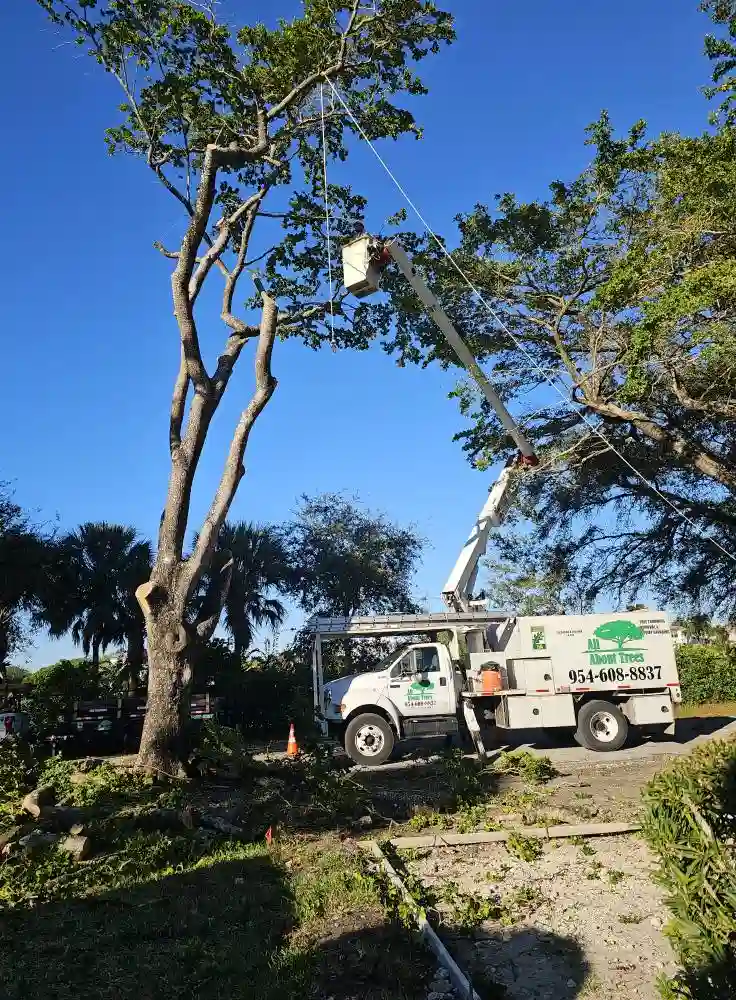
Top Tree Service at Davie ⭐⭐⭐⭐⭐ All About Trees Tree Service 4933 Southwest 44th Avenue Fort Lauderdale, FL 33314 US (954) 608-8837